Our moose hunts take place on Alaska Peninsula National Wildlife Refuge and Aniakchak National Preserve lands, where I hold a special use permit & concession contract for the exclusive federal concessions. These 2 adjoining exclusive-use federal guide areas make up one overall area that we hunt, roughly 216,200 acres and over 108 miles in perimeter. This area has drainages that flow into the Pacific side of the Alaska Peninsula to the East and the Bering Sea side to the West, in one of the most remote and difficult-to-access parts of the Alaska Peninsula.
We have over 5 decades of experience in these respective areas. My dad began guiding here in the early 1970s and operated his entire career in these areas, and I have continued on that tradition, having guided here since the start of my career. I started going to these camps when I was a little kid and have spent over 20 years guiding in these amazing areas. This part of the state is one of the best examples of true wilderness that you will ever experience, with some of the very best moose hunting in the world.
Our historic main camp is located midway down the Alaska Peninsula, about 1.5 hrs via bush plane south of King Salmon, and consists of small cabins for guests and guides, a cook cabin and dining area, a bathhouse, and other structures. This is where your hunt starts. Once in main camp, you are paired with your guide or team of guides and flown to a spike camp via Super Cub, usually about a 10-15 minute flight. Spike camps consist of a large 6-person tent for the hunter, a tent for the guide(s), and usually a separate cooking/eating tent. Clients have a cot and a small propane buddy heater as needed. These camps are quite comfortable, and food is generally a combination of home-cooked and freeze-dry.
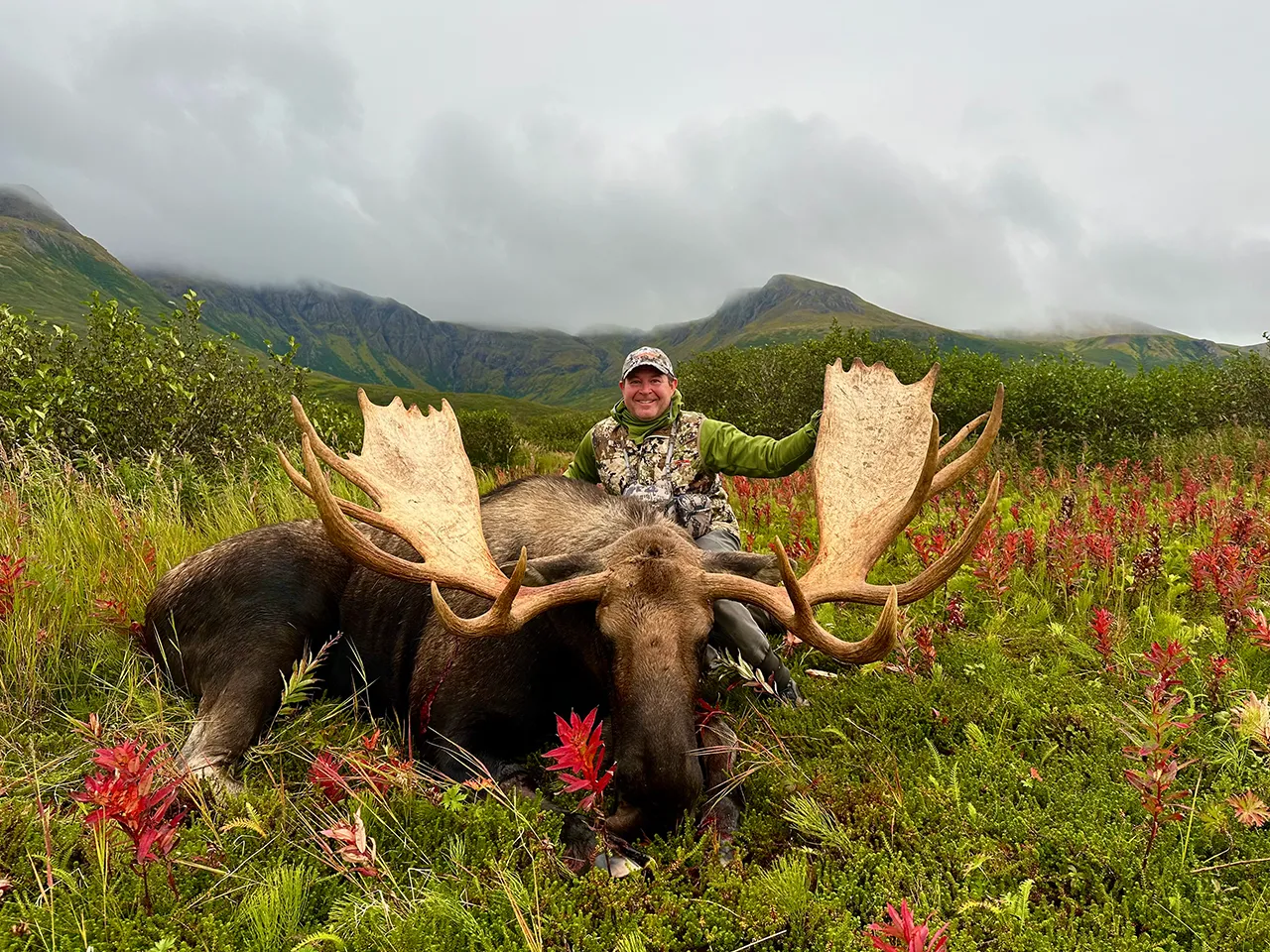
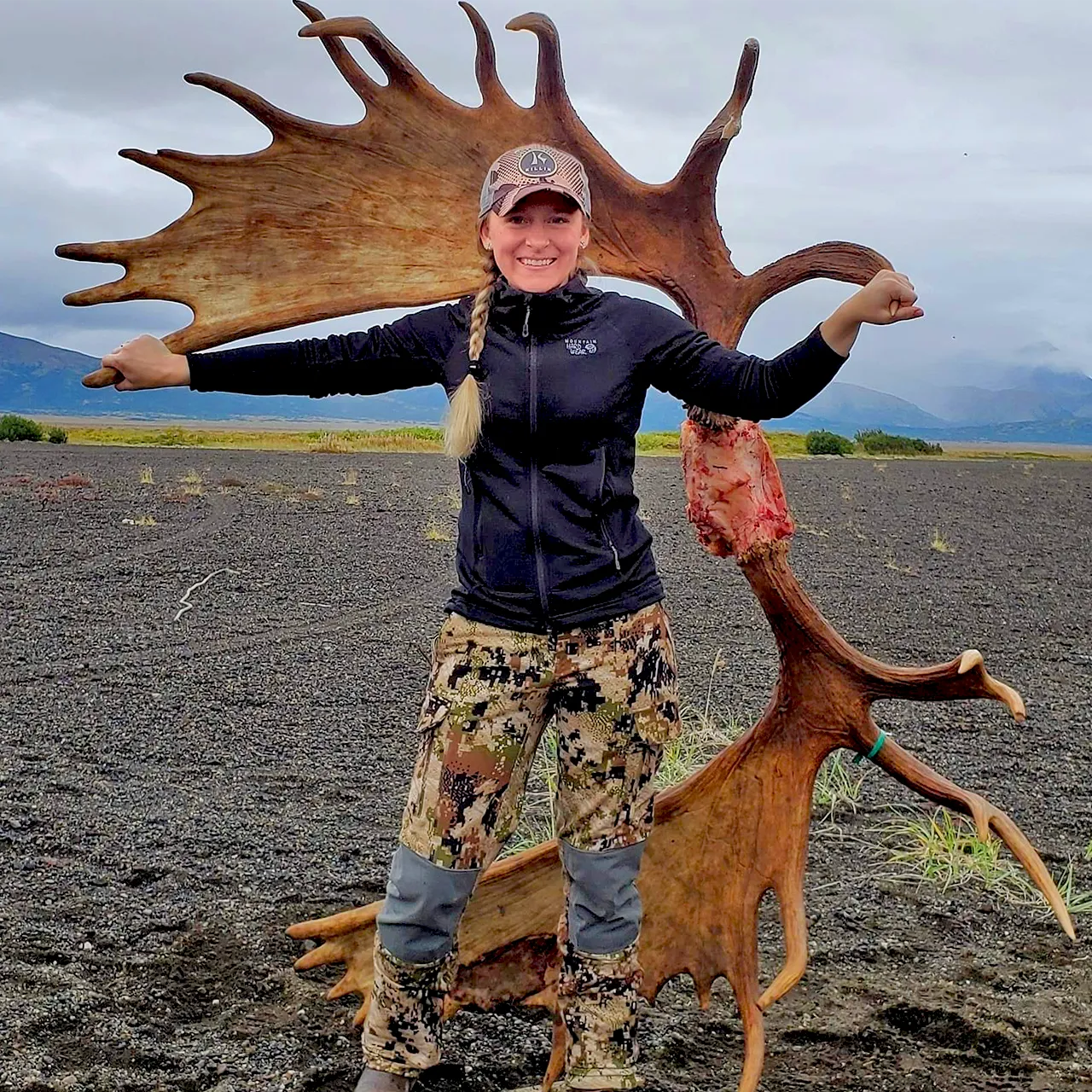
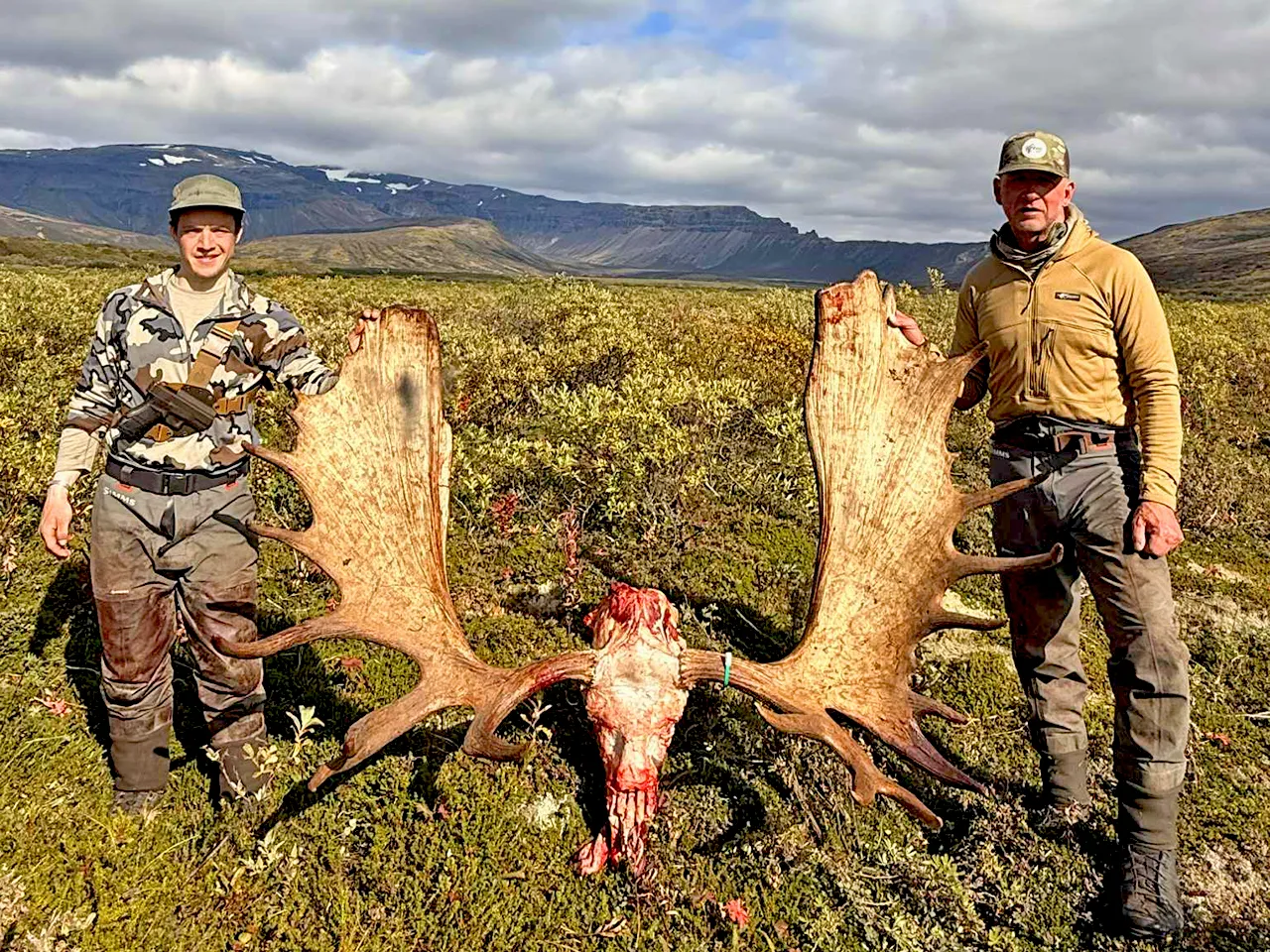
Hunt method is spot and stalk with a heavy emphasis on both cow and bull calls. Season is just at the start of the rut when bulls are actively seeking cows, making calling extremely effective. Each day we spend many hours, usually 8-12, glassing from high points or hills, or in some instances cruising the waterways by boat or canoe and stopping to glass and call. It is quite common to call moose from a long way away, up to 2 miles. Many of these moose can be called right to the glassing hill or close to it. Most of the moose we get are between 60-65 inches in spread, with many going in the high 60s and even low to mid 70s.
Calling a large bull moose to close range is extremely exciting, and there is nothing like hunting the world’s largest antlered animal. This is a top-tier hunt in what is some of the best true wilderness hunting anywhere in the world.